
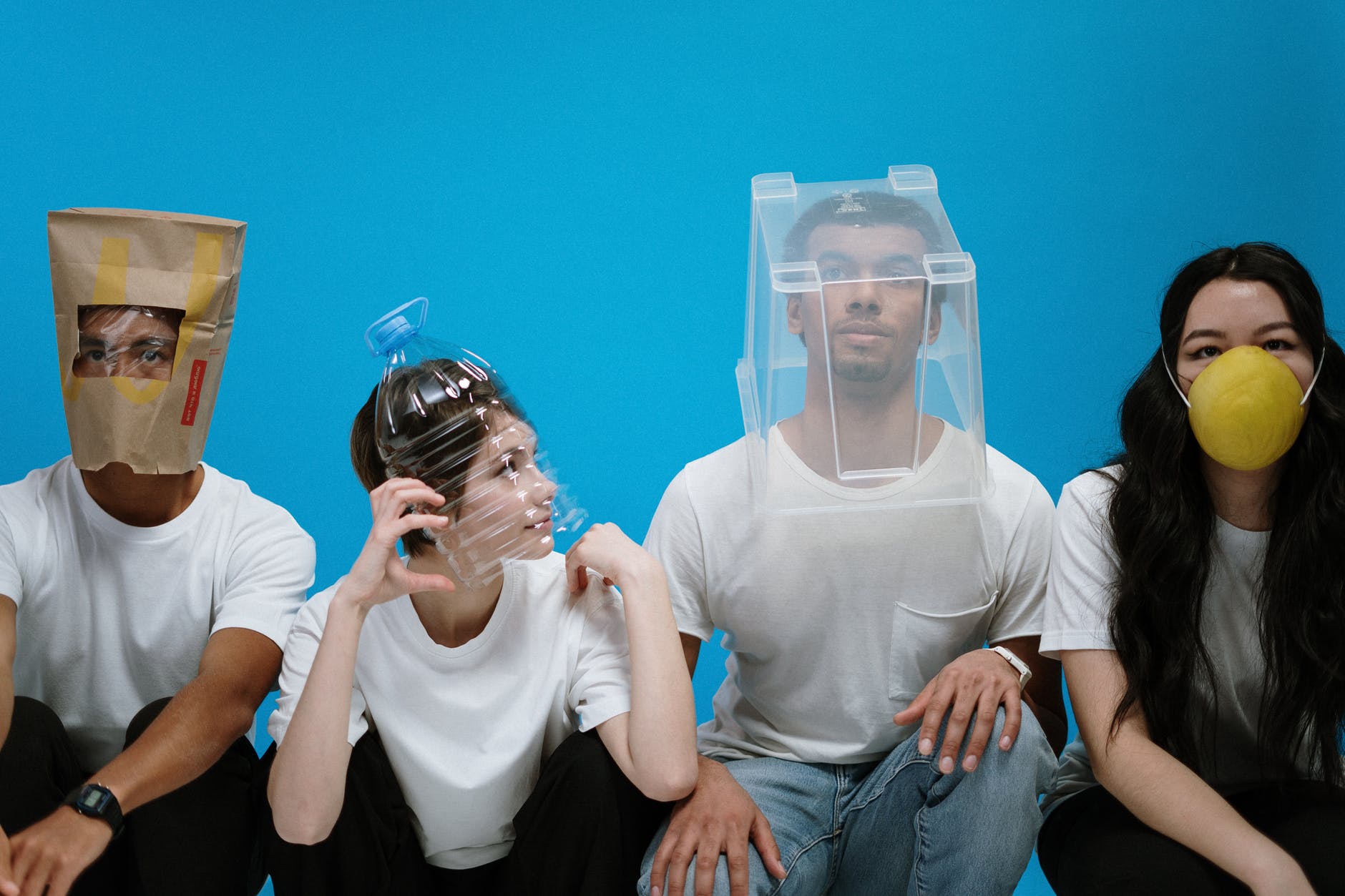
Social isolation is hard on everyone. Humans are social creatures, and even some of the most introverted people are starting to feel the effects. With Ontario having just extended its state of emergency until June 30th, you may be looking for resources to help get yourself through. There is lots of information out there, and sometimes it can be hard to determine which recommendations to follow. Below you can find 5 tips to help maintain good mental health during these stressful times, with an explanation of the research that backs them up so you can make up your own mind about what will help you the most right now.
1. Stay in contact with your loved ones
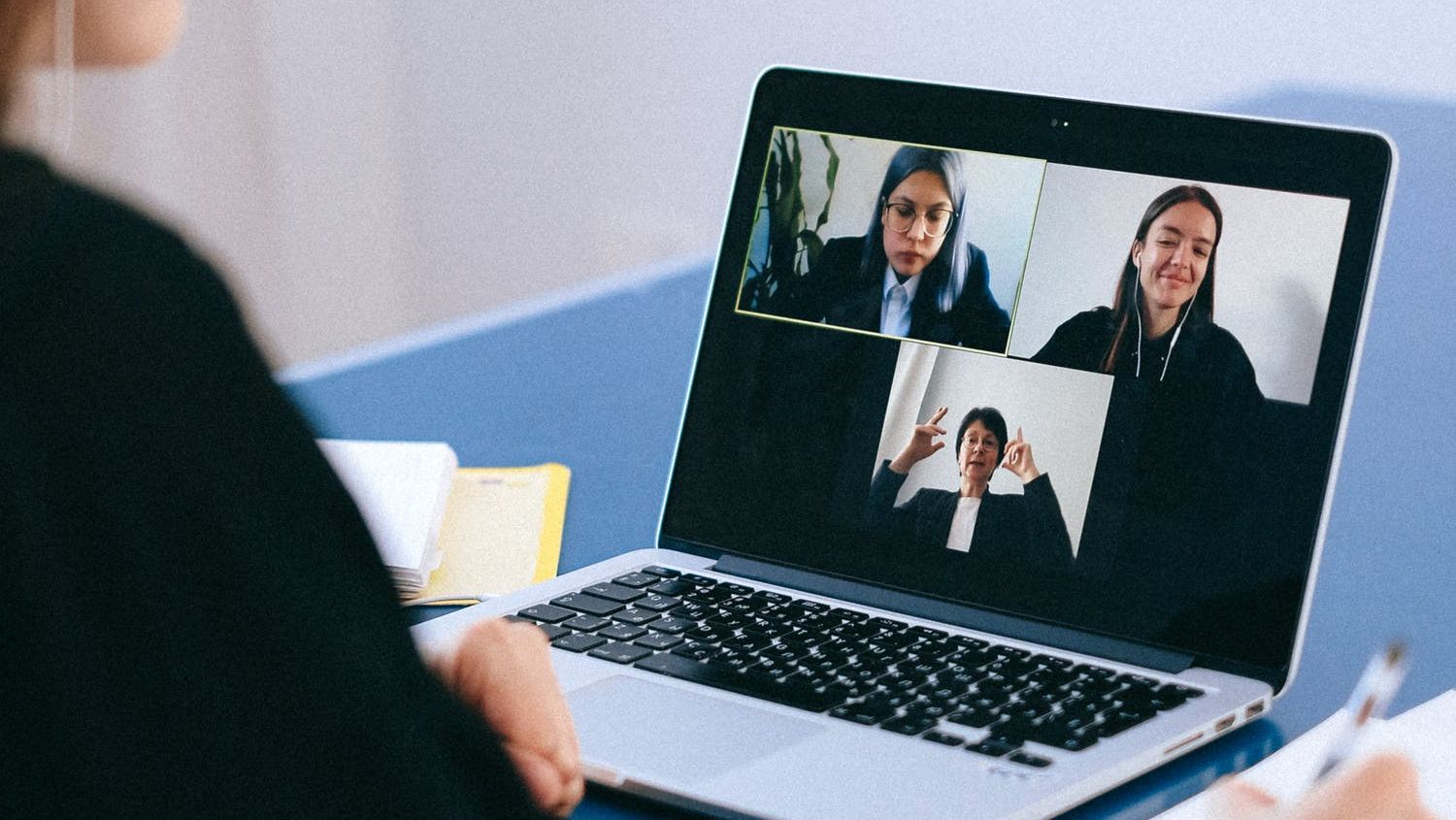
Being unsure of your loved one’s safety can be a huge source of stress during uncertain times like these. A telephone survey interviewed 1010 people after the 2005 London bombings to determine the various factors related to increased stress within the general public after a traumatic event. They found that having difficulty contacting friends or family significantly increased the presence of stress. This highlights the importance of staying in touch with family and friends during times of uncertainty. Making a backup plan for contact in the event that you are unable to call or text may be a good idea to help alleviate a source of stress during social isolation. It may also be a good idea to set up a regular “check-in” schedule, so that you are not left worrying if your loved one does not answer the phone simply because they are busy doing something else.
Source:
Rubin, G. J., Brewin, C. R., Greenberg, N., Simpson, J., & Wessely, S. (2005). Psychological and behavioural reactions to the bombings in London on 7 July 2005: cross sectional survey of a representative sample of Londoners. BMJ, 331, 606-611.

2. Seek support
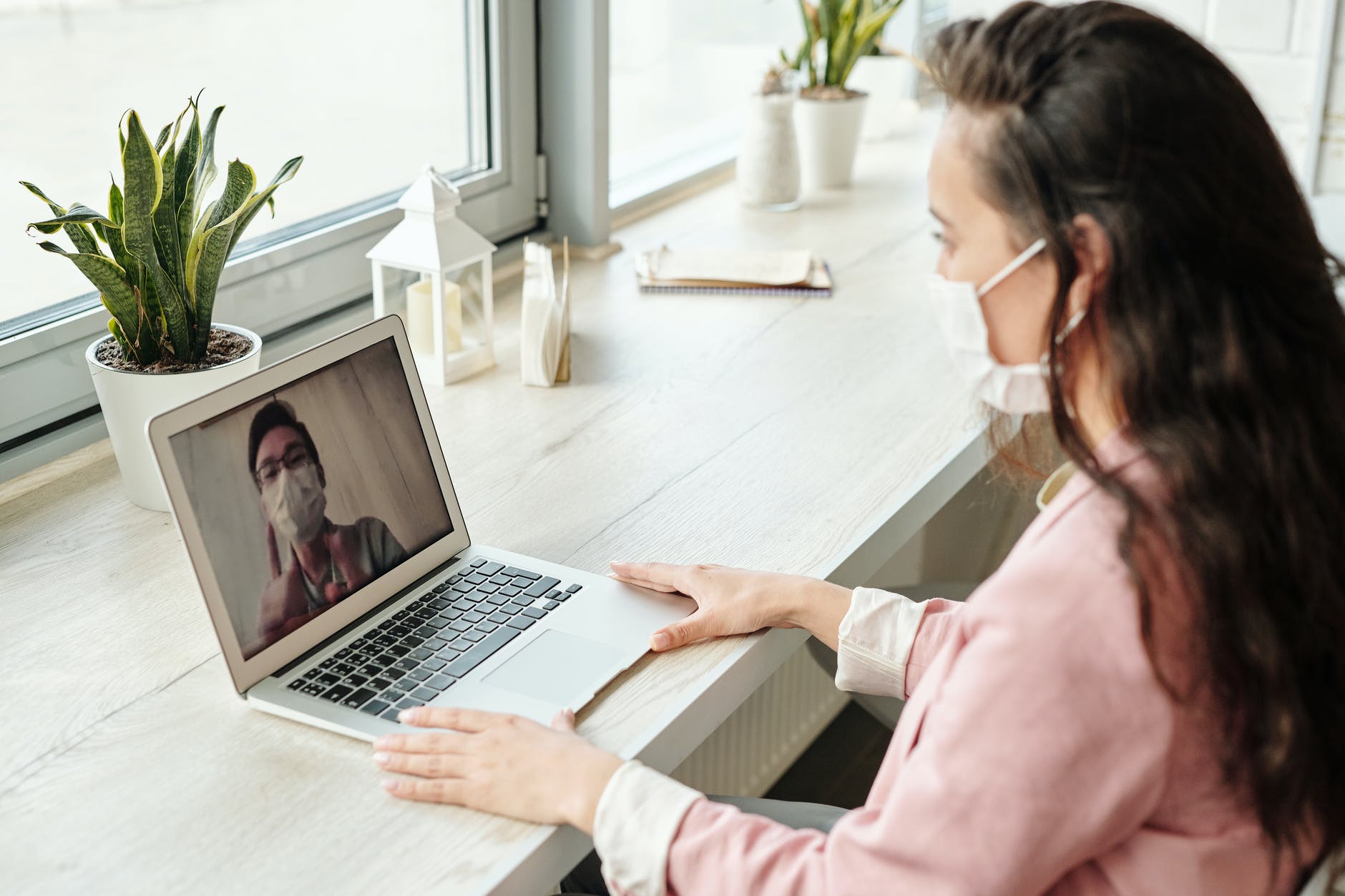
A 2005 study followed 12 college students who were home-quarantined after being exposed to SARS. The 12 students took part in group therapy lead by a counselling psychologist. The group focused on understanding SARS and the required preventative actions, exploring personal growth, building relationships within the group, and promoting adjustment to campus life. Due to stigma around SARS and cultural reasons, participants stated they did not feel comfortable speaking with friends and family about their situation. The group gave students an outlet to air their worries and fears. The students reported increased feelings of validation and acceptance, and decreased feelings of anxiety.
This suggests that support groups aimed specifically at combating the stressors and concerns of social isolation may be of some help, especially to those who do not feel they can speak openly with friends and family about their concerns. Not everyone experiences social isolation the same way, so it may be hard to speak about the difficulty you are having with friends and family. Reaching out to a group with similar concerns as you, whether through a structured group therapy platform like in this study, or even through a web forum of like-minded people, may help you feel more validated and less alone. Just make sure that any information the group is sharing about the pandemic is coming from a reliable source.
Source:
Pan, P.J.D., Chang, S.H., & Yu, Y. (2006). A support group for home-quarantined college students exposed to SARS: learning from practice. The Journal for Specialists in Group Work, 30(4), 363-374.

3. Limit media exposure
It can be tempting to spend lots of time glued to the news, and while keeping up to date may be a good idea, there is a limit to the benefits of staying informed. A study examining 1238 Washington DC residents evaluated the impact of TV exposure on mental health during the Washington sniper attacks. The study found that those who viewed more TV coverage of the events experienced higher levels of post traumatic stress, especially in people who perceived themselves as unsafe. Those who felt unsafe and watched more TV were also more likely to experience depressive symptoms. This suggests that limiting news exposure after or during a traumatic event may help protect against stress and depression, especially if you are feeling unsafe.
Source:
Fullerton, C.S., Mash, H.B.H., Morganstein, J.C., & Ursano, R.J. (2019). Active shooter and terrorist event-related posttraumatic stress and depression: Televion viewing and perceived safety. Disaster Medicine and Public Health Preparedness, 13(3), 570-576.
4. Use Humour
A study of 55 patients with remitted depression (they experienced depression before, but were not currently in an episode) viewed negative photos and rated their emotional reaction. They then were told to view the photos and either a. Use humor, b. Use positive reappraisal (think of the bright-side or silver lining of the photo) or c. Simply view the photo.
The researchers found that those who used humor experienced less negative emotions and more positive emotions than those who simply viewed the photo, to an extent that matched participants who used positive reappraisal.
“Look at the bright side” is a common response to people who find themselves in bad situations, but if its hard for you to find a silver lining in this situation (which is understandable!) try cracking some jokes instead. It might help you feel a little bit better.
Source:
Braniecka, A., Malgorzata, H., Wolkowicz, I., Chzczonowicz, S., Mikolajonek, A., & Lipiec, M. (2018). Is it worth turning a trigger into a joke? Humor as an emotion regulation strategy in remitted depression. Brain and Behavior, 9, e01213.



5. Focus on altruism
It is easy to view social distancing as an annoyance, or an overly strict rule put in place by our governments. However, focusing on the good that social distancing can do may actually reduce the change of long-term psychological damage post-pandemic. In 2006, researchers randomly selected 549 employees from a Beijing hospital to examine their mental health after exposure to the 2003 SARS outbreak. They found that those who displayed high levels of altruistic acceptance (those that focused on the desire to help others in need) displayed significantly less symptoms of depression in the years following the outbreak. This suggests that focusing on the many lives that will be saved by following social isolation guidelines, rather than the personal impacts of social isolation, may help reduce the likelihood of long term psychological repercussions.
Source:
Liu, X., Kakade, M., Fuller, C.J., Fan, B., Fang, Y., Kong, J., Guan, Z., & Wu, P. (2012). Depression after exposure to stressful events: lessons learned from the severe acute respiratory syndrome epidemic. Comprehensive Psychiatry, 53, 15-23.


Remember, everyone deals with the effects of social isolation differently.
It is okay to not be okay. For more information on how to cope, and for links to resources please visit the CDC website.

Carley Richards
MSc. Neuroscience, BA. Psychology, BSc. Neuroscience. Actor, creator, and mental health advocate.
0 comments